


Engine fuel system reliability directly determines vehicle power output, fuel economy, emission standards and overall service life. Among all core fuel transmission components, high-pressure fuel pipelines undertake the heavy responsibility of transporting pressurized fuel steadily under extreme temperature, vibration and high-pressure working conditions. Many vehicle maintenance failures, abnormal engine shaking, insufficient acceleration and fuel leakage hidden dangers all originate from inferior or aging high-pressure fuel pipelines that people seldom pay attention to. Choosing qualified and precisely manufactured high-pressure fuel pipe assembly can fundamentally avoid frequent repeated maintenance and unpredictable driving safety risks.
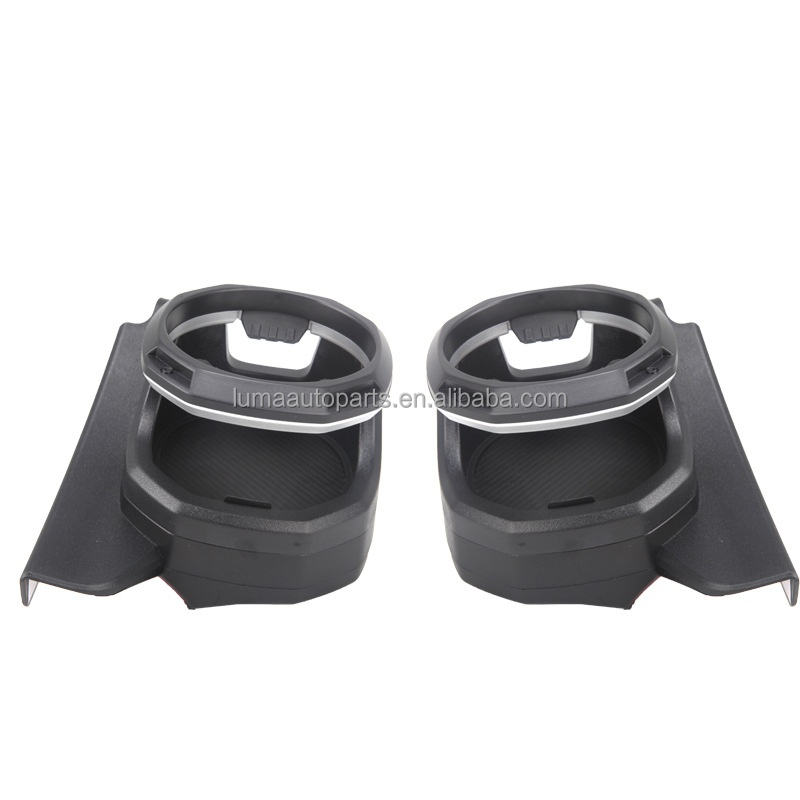
Most car owners only pay attention to engine oil, filters and spark plugs during daily vehicle maintenance, while completely neglecting the wear and aging status of fuel pipeline parts. Long-term high-pressure impact, cold and hot temperature alternation, chassis vibration and corrosive fuel media will gradually damage the inner wall structure and sealing performance of ordinary fuel pipes. Tiny cracks, micro-seepage and interface loosening will not show obvious symptoms at the initial stage, but will evolve into serious faults such as engine misfire, increased fuel consumption and even fire hazards. Professional supporting parts provided by Luma Auto Parts adopt special material formula and precision molding process, which greatly resists fatigue damage and medium corrosion compared with ordinary aftermarket replacements.
Abnormal fuel pressure fluctuation is one of the most frequent hidden troubles in automobile fuel systems. When high-pressure fuel pipes have poor airtightness, deformation or blockage, the fuel supply pressure cannot remain stable according to engine operating requirements. The ECU cannot accurately control fuel injection quantity, resulting in uneven combustion inside cylinders, reduced power response, obvious idle speed jitter and increased exhaust pollutant emission. Such problems are often misdiagnosed as injector faults or sensor failures, leading to unnecessary part replacement and wasted maintenance costs. Standard high-pressure fuel pipe assemblies match original equipment dimensional specifications and pressure resistance parameters perfectly, maintaining constant fuel pressure throughout the entire engine working range.
Different vehicle models have distinct pressure resistance, interface size, installation angle and pipeline arrangement requirements. Randomly replacing universal fuel pipes cannot adapt to original vehicle system matching standards, easily causing interface leakage, pipeline friction damage and abnormal interference with surrounding chassis parts. After long driving vibration, loose joints and pipeline breakage accidents occur frequently. Professional customized fuel pipe assemblies undergo strict pressure resistance testing, sealing testing, high and low temperature aging testing and vibration durability testing before leaving the factory, fully adapting to harsh road conditions, high-altitude environments and continuous high-load driving conditions.
Many users misunderstand that all fuel high-pressure pipes have identical performance and service life. In fact, material density, wall thickness uniformity, joint welding process, sealing ring quality and anti-oxidation treatment all determine the actual service cycle and safety performance. Low-cost inferior pipes seem cheap in purchase price, but cause multiple secondary failures including fuel pump damage, injector clogging and engine internal carbon deposition. Replacing reliable integrated fuel pipe assemblies reduces overall vehicle maintenance frequency, extends engine service life and greatly improves driving safety throughout the whole use cycle.
Common Fault Symptoms & Corresponding Root Causes of High-Pressure Fuel Pipes
| Fault Phenomenon | Surface Reason | Deep Underlying Cause | Negative Impact On Vehicle |
|---|---|---|---|
| Engine idle speed unstable & shaking | Unstable fuel injection | Pipeline micro-leakage leading to insufficient high pressure | Increased fuel consumption, serious cylinder misfire |
| Weak acceleration & slow power response | Fuel supply shortage | Pipeline deformation restricting fuel flow rate | Poor driving experience, unable to climb slopes smoothly |
| Unusual fuel smell inside vehicle | Obvious fuel leakage | Aging seal rings & cracked pipe walls | Fire safety hazards, harmful gas inhalation |
| High fuel consumption beyond normal range | Inaccurate fuel ratio | Pressure loss causes excess fuel injection | Long-term rising vehicle use cost |
| Engine fault light frequently on | Sensor abnormal signal | Abnormal fuel pressure feedback data | Failure of normal vehicle emission detection |
The durability and safety of high-pressure fuel pipelines are closely related to driving environment characteristics. Vehicles frequently driving on bumpy mountain roads, rough rural roads or heavy-load working conditions face far greater pipeline wear than urban commuting vehicles. High temperature in summer accelerates rubber layer aging, while low temperature in winter makes pipeline materials brittle and easy to crack. Integrated formed fuel pipe structures effectively avoid multiple splicing joints, reduce leakage points from the source, and maintain stable performance under large temperature differences and frequent mechanical vibration.
Fuel system airtightness directly relates to vehicle emission compliance. Damaged or loose high-pressure fuel pipes will cause volatile fuel leakage, increasing hydrocarbon emissions and failing annual vehicle inspection. At the same time, leaked high-pressure fuel near high-temperature engine parts greatly increases spontaneous combustion risks. Qualified fuel pipe assemblies meet strict national automotive industry safety standards, fully matching original vehicle emission calibration parameters and ensuring long-term stable exhaust performance.
Long-term use without regular pipeline inspection will accumulate irreversible hidden dangers. It is recommended to check pipeline appearance, joint tightness and pressure status every routine vehicle maintenance. Once oil stains, cracks, hardening or deformation are found, replace integrated high-pressure fuel pipe assemblies in time. Avoid temporary repair or patch treatment, as simple maintenance cannot restore pressure resistance and sealing performance, and will only delay faults and bring greater safety risks.
In summary, high-pressure fuel pipe assembly is an easily overlooked but extremely core safety component of automobile engine systems. Correct selection of matching, high-quality and strictly tested parts can solve idle speed jitter, power decline, high fuel consumption and leakage hidden dangers fundamentally. Stable fuel pressure transmission ensures efficient engine combustion, reduces unnecessary maintenance expenses, and protects vehicle driving safety and long-term reliable operation in all complex working conditions.